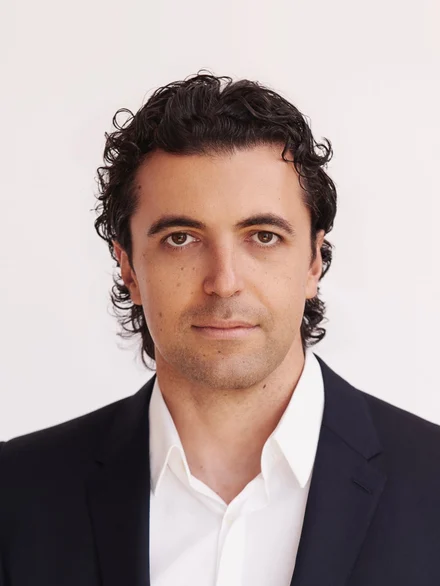
Arūnas Lekavičius is chief executive of PeerBerry, the Vilnius, Lithuania, platform where retail investors across Europe buy short-term consumer and business loans from partner lenders. A Lithuanian banker who spent more than 15 years in Scandinavian banking and consumer lending, he moved from leasing at big banks to running PeerBerry in January 2019 and has led it through its fastest growth.
Starting Out at SEB
He began his career at SEB, the Swedish bank that is one of the largest in the Baltic states, in customer service roles, learning how ordinary people borrow and repay. He moved into leasing, the business of financing cars and equipment, and became head of leasing in Lithuania at Luminor, the bank formed when the Baltic operations of Nordea and DNB merged.
Consumer Lending at 4finance
He then joined 4finance, the Riga-based consumer lending group, as head of its leasing product. That job took him into the fast-moving online lending business that supplies many of the loans sold on European peer-to-peer platforms, and it gave him a view of the market from the lender's side before he moved to the investor's side.
Running PeerBerry
PeerBerry was founded in 2017 and lets investors fund slices of loans from lenders in Europe and elsewhere, earning interest as borrowers repay, with many loans carrying a buyback guarantee from the lender if a borrower falls behind. He became chief executive in January 2019 and spoke about the platform's rapid growth within months of taking over. Since then he has steered it through the pandemic and Russia's invasion of Ukraine, two shocks that tested how well lending platforms could protect investors' money.
The scale has grown with it. PeerBerry has nearly 113,000 verified users, and in 2025 its investors funded €351.52 million of loans and earned €10.61 million in interest. Through the war years it repaid investors €51.4 million on loans hit by the fighting.
He started out at a bank counter in Vilnius, learning how ordinary people borrow and repay. He now runs a marketplace where ordinary people are the lenders, and his record there rests on the thing he learned first: getting the money back.