Assessment
Change Financial runs card issuing and processing through Vertexon, including Mastercard BIN sponsorship in Australia and New Zealand (ANZ), which lets a client issue cards under Change's scheme membership. It also sells PaySim so banks and fintechs can simulate ATM, POS, and interchange traffic before a program goes live. It suits a buyer who wants an outsourced card processor with local card-scheme connections in ANZ, or a testing team that needs a desktop suite the company describes as the default testing standard for eftpos, Australia's domestic debit network.
On 27 August 2026 the company reported FY26 revenue of US$18.2 million (A$26.0 million), up 21.3% year on year, Underlying EBITDA of US$3.3 million, and its first full-year statutory profit of about US$0.5 million. Active cards on its ANZ PaaS platform more than doubled to over 150,000, and the company processed about US$630 million of PaaS volume. It also finished winding down loss-making US operations, with the US entity liquidated in July 2026, and said it will switch reporting currency to AUD from 1 July 2026.
Change Financial fits an Australian or New Zealand bank, credit union, or fintech that needs card issuing, program management, and wallet features without building its own processor, and it fits payment teams that use PaySim for certification work. It is a weaker fit for a buyer whose main card market is North America or Europe, or one that wants a published self-serve fee card before talking to sales.
Rating by criterion
Each of the eight criteria below is scored out of 100.
Sector criteria
Vertexon covers physical, digital, and virtual card issuing, transaction processing across major schemes the company names (including Mastercard, Visa, Amex, JCB, UnionPay, and Diners), Apple Pay and Google Pay, and BNPL features on cards. In Australia and New Zealand, Change acts as a Mastercard partner for card issuing and BIN sponsorship, which lets a fintech launch a debit or prepaid program without finding its own BIN sponsor first. PaySim covers testing. It simulates ATM, POS, and ISO message traffic so the same buyer can certify its card systems before cards go live.
Vertexon is sold as an API-driven PaaS that integrates with a client's core systems, and Change still supports SaaS and on-premises versions for older deployments. PaySim has an API so QA teams can automate regression and stress tests, and the company says its stress scenarios can run more than 10,000 transactions per second. In FY26 Change said AI agent tools shortened the first phase of its PaySim modernisation work, which gives a buyer some sense of how quickly test-suite upgrades are arriving.
Change lists PCI DSS certification on its company timeline and holds an Australian financial services licence for relevant activities. Because Change holds Mastercard certification and acts as BIN sponsor in Australia and New Zealand, much of the card-scheme and local regulatory work is Change's job under a PaaS contract. Which licences and attestations belong to Change and which belong to the program manager can differ by deployment, since on-premises Vertexon clients run older code bases in their own environments.
The company says it supports more than 150 clients across more than 40 countries and more than 45 million cards globally on its platforms. In its FY26 results the company pointed to processor partners that refer new card programs into ANZ, four overseas regional partners signed to sell PaySim, and fintech migrations onto Vertexon such as the debit cards of Hnry, a New Zealand tax and accounting app for self-employed people. Australian certification teams will mostly care that the company describes PaySim as the default eftpos testing standard in Australia.
Vendor criteria
Change owns both Vertexon and PaySim. In its Q4 commentary the company put the FY26 revenue mix at about 83% Vertexon and 17% PaySim. PaaS recurring fees and support and maintenance made up about 73% of FY26 revenue. The company's stated priorities are growing PaaS in Australia, modernising PaySim, selling PaySim licences abroad through partners, and adding more digital wallet and buy-now-pay-later (BNPL) features to cards. It has also set itself a medium-term PaaS gross-margin target of 40-45%, against 32% in FY26.
New PaaS clients typically take months to go live. The company has described a gap of six to nine months between signing a client and earning meaningful revenue from its live program. At its August 2026 results, Change said it was onboarding four signed PaaS clients due to go live in FY27, with four more in final contract talks. Change lists staff in Australia, New Zealand, the Philippines, Greece, and the Dominican Republic. It does not publish a support SLA or chat hours for prospects.
As of 5 October 2026, Change does not publish a self-serve rate card for Vertexon PaaS fees or PaySim licences. Prices come from the sales team and typically combine an implementation or licence fee with ongoing volume or transaction fees for PaaS. Comparing unit costs with Marqeta, Galileo, or Thredd therefore takes a written quote covering BIN sponsorship, scheme pass-through, per-card, and per-transaction fees.
Change does not publish contract length, minimum volumes, or exit terms on its marketing site. Older on-premises Vertexon clients still appear in results commentary, and Change has been moving some of them to cloud PaaS, which can shift its revenue mix in the short term. Change also holds security guarantees for scheme settlement (about US$1.4 million cash-backed at 30 June 2026), which shows the capital it has to post to run PaaS. A client's own protections are set in its master services agreement.
Against its peers
These are the other companies in payments and acquiring, with their ratings.
Fact file
| Products | Vertexon (card issuing and PaaS); PaySim (payment simulation and testing) |
|---|---|
| FY26 revenue | US$18.22 million (A$26.0 million), year ended 30 Jun 2026; up 21.3% |
| FY26 profit | Maiden full-year statutory profit about US$0.5 million; Underlying EBITDA US$3.3 million |
| PaaS scale (ANZ) | More than 150,000 active cards; about US$630 million volume processed in FY26 |
| Clients (company-stated) | 150+ clients; 40+ countries; 45m+ cards globally on Change platforms |
| Listing | ASX: CCA; registered office Brisbane |
| US operations | Loss-making US entity wound down; liquidated July 2026 |
| PaySim local status | Company states PaySim is the default testing standard for the eftpos network in Australia |
Competitive landscape
Card issuing and payment-testing vendors a bank or fintech would compare with Change Financial.
Change Financial: 67
- Change Financial67
- MarqetaNot reviewed
- GalileoNot reviewed
- ThreddNot reviewed
- Larger global processors and scheme-owned platformsNot reviewed
Comparisons
Key leadership
 Tony Sheehan
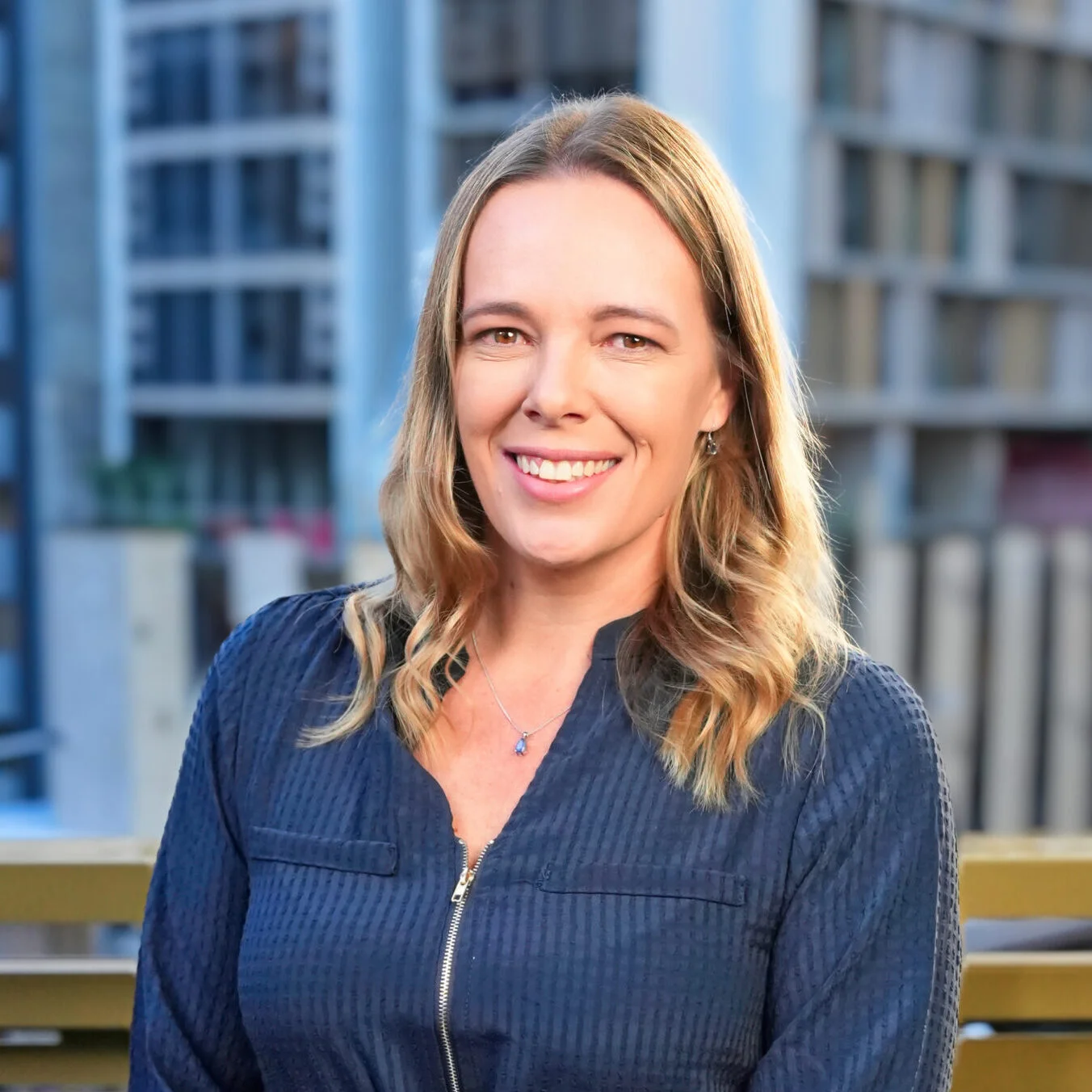 Jennifer Mateer
 Arnold Lee
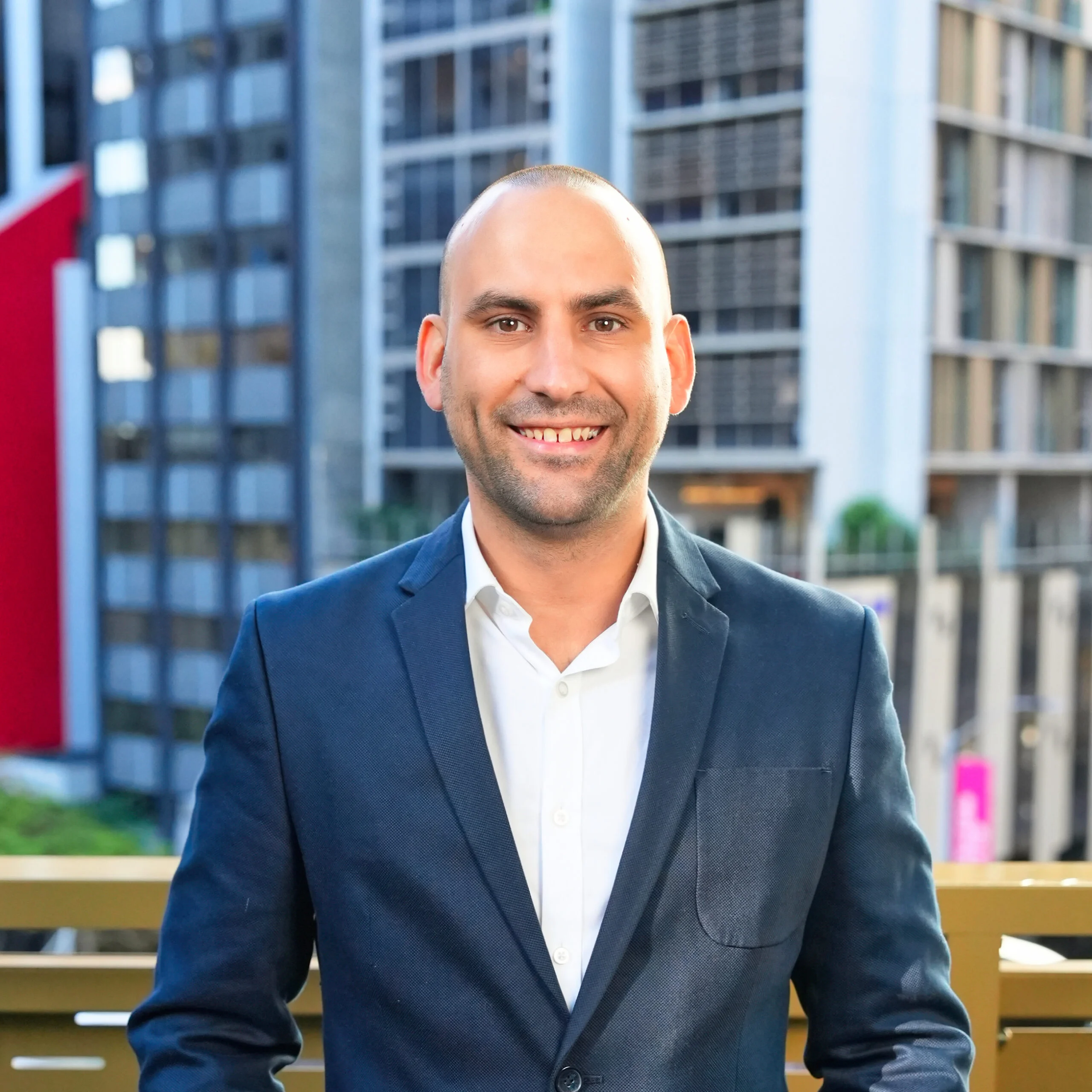 Tom Russell
Tony Sheehan runs Change Financial as chief executive. Jennifer Mateer leads commercial work, Arnold Lee leads technology, and Tom Russell sits on the board as executive director.
Sheehan is known in Australian payments for operating roles at Global Payments Australia and New Zealand, the local arm of Global Payments, the international payments technology group, where he served as chief operating officer and chief financial officer. He joined Change as CFO in 2021 and became CEO in July 2023. Earlier he worked at Queensland Treasury Corporation, the state government's central financing authority, and at LJ Capital, Macquarie Group, and PwC across Australia, New Zealand, and the United Kingdom.
Mateer is chief commercial officer. She has more than 15 years in commercial leadership at fintech, payments, and software-as-a-service companies. Before Change she held senior roles at Global Payments.
Lee is chief technology officer. He has led technology teams for more than 20 years across IT, logistics, and financial services, including an 11-year stretch in London in banking and energy commodity trading. Before Change he held senior roles at Wirecard, the German payments processor, and he has also worked at Paymark, which runs New Zealand's main electronic payments network, the energy-trading software company Trayport, Royal Bank of Scotland, and BNP Paribas.
Russell is an executive director. He has more than 15 years as an investor, corporate adviser, director, and executive focused on growth companies in technology and finance. He holds commerce and economics degrees from the University of Queensland and regularly appears with Sheehan on investor updates.