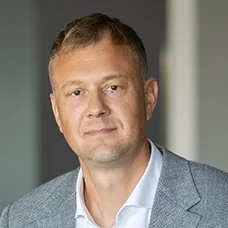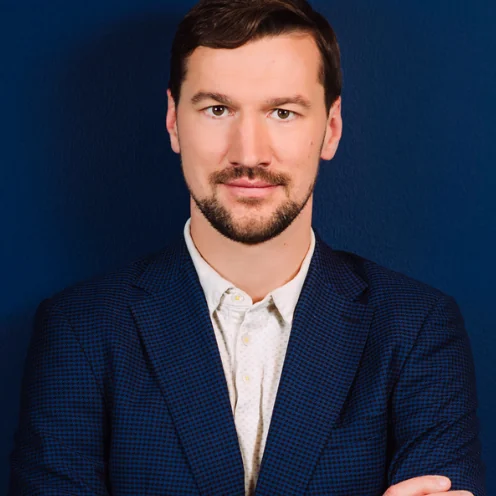
"Our vision is to create a full-stack solution, like 'SalesForce' in the fraud detection and prevention sector, which would provide essential tools to combat terrorist financing, money laundering, human trafficking, online fraud, and other fraudulent activities," Domantas Ciulde told StartupTalky in 2020. He is co-founder and chief executive of iDenfy, the company in Kaunas, Lithuania, that checks customers' ID documents and faces and runs anti-money laundering screening for businesses. Read our review of iDenfy.
Childhood Friends and a First Prototype
He and co-founder Gediminas Ratkevicius knew each other from childhood and grew up in the same neighborhood. The idea came in 2015 as a way to fight credit card fraud. After studying the problem, they concluded that identity verification was the best defense, and they built a prototype after long study of computer vision and machine learning. It could read passports from only one country, but in 2016 it won the company's first clients, who later became its first investors.
The first employee, Laimonas, left a well-paid job at a large technology company to join a team of two, while the founders worked from a six-square-meter corner office without earnings.
Ciulde also explained how the name came about. "All search engines, proofing tools are detecting 'iDenfy' as a word with a mistake and auto converting it to identity," he said.
How iDenfy Priced Checks in 2020
In 2020 StartupTalky described iDenfy's pricing as pay per successful verification, with fake, failed, and unfinished verifications free.
In the same interview Ciulde described where the company's money went: "We invested not in marketing, but into technology development."
Writing on Biometrics and Human Review
In a November 2021 opinion piece for PCR, he wrote that many companies once relied on strictly automated checks, and that it became clear such systems need human supervision. In his account, trained AI still handles the checks themselves, because no human team could review that volume, while professionals oversee the process to cut errors. He added that screening customers against sanctions and politically exposed person lists, and flagging anonymous IP addresses, help banks decide which customers need closer attention.