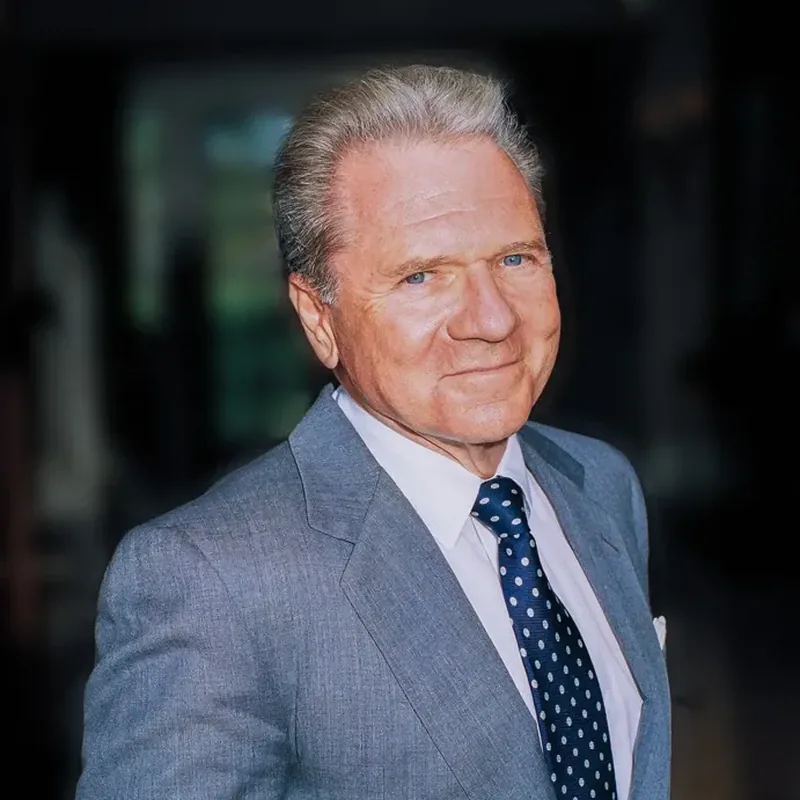
Brendan Wood is co-founder and chief executive of SnapTrade, the Toronto, Ontario, company that gives investing apps a single API to connect to people's existing brokerage accounts, read their holdings and place trades. A software developer who worked at start-ups before starting his own, he built SnapTrade out of the integration problems he hit while running a consumer investing app called Passiv.
A Developer With the Itch
"I've always had 'the itch,'" he has said. He worked as a developer at a couple of start-ups before founding his own company, which began as a side project. He knew it was time to leave his job when the double workload became unmanageable. "I don't think you can ever be truly 'ready' because you don't know what you don't know. So you have to take the leap first."
He met his co-founder only a few weeks before they decided to work together. They had complementary skills and both wanted to do something big, and since the company was worth nothing at the start, they figured they could simply part ways if it did not work. He deliberately did not recruit friends, because he did not want to risk a friendship over what he called "a silly startup." SnapTrade is now led by Wood with co-founders Brendan Lee Young and Terry Ma.
From Passiv to SnapTrade
The first product was Passiv, an app that helped do-it-yourself investors keep their portfolios balanced across low-cost funds. It needed reliable connections to users' brokerage accounts, and there was nothing good on the market, so its growth stalled. The team built the connections themselves, got very good at stitching brokerage trading APIs together, and eventually released that work as a standalone product for any investing app. Until then, he points out, the only real option for an app that wanted to trade for its users was to become a brokerage itself, which is expensive and ties the app to one country. SnapTrade now connects to more than 40 brokerages and offers real-time holdings, full transaction history and order placement.
Learning to Hear No
The hardest lesson, he has said, was handling rejection. Early on he heard no from customers, accelerators, investors, regulators and industry partners. "I questioned my sanity more than once, but the thing that kept me going was the yes'," he has said. "They were few and far between at first, but they showed that we weren't alone and somebody somewhere was getting value from the business." His advice to new founders is simple: "Worry less about what investors think of you, worry more about what customers think." He has also been an outspoken critic of high-fee investing and argues that connected apps can give ordinary investors better tools without moving their money.
Passiv stalled because it could not connect to the brokerages its users already had. The fix became the company, and the developer who spent his first years hearing no now sells the one piece he could not buy when he needed it.